Women architects have made remarkable contributions to architecture around the world. For many decades, architecture was a profession largely dominated by men, and the work of women architects often received less recognition. Despite these challenges, many women designers have created influential buildings that have transformed cities, cultural institutions, and public spaces. Their projects range from museums and cultural centres to bridges, universities, and skyscrapers. These buildings are admired for their creative design, innovative use of materials, and thoughtful responses to their surroundings.
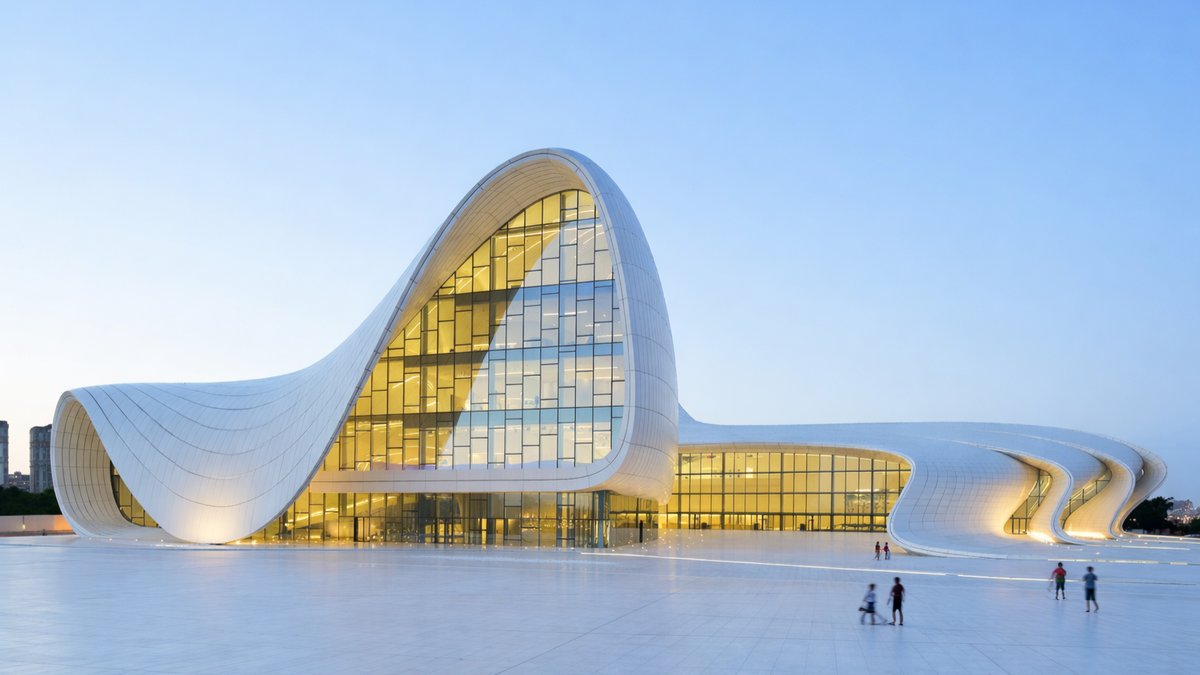
Heydar Aliyev Center
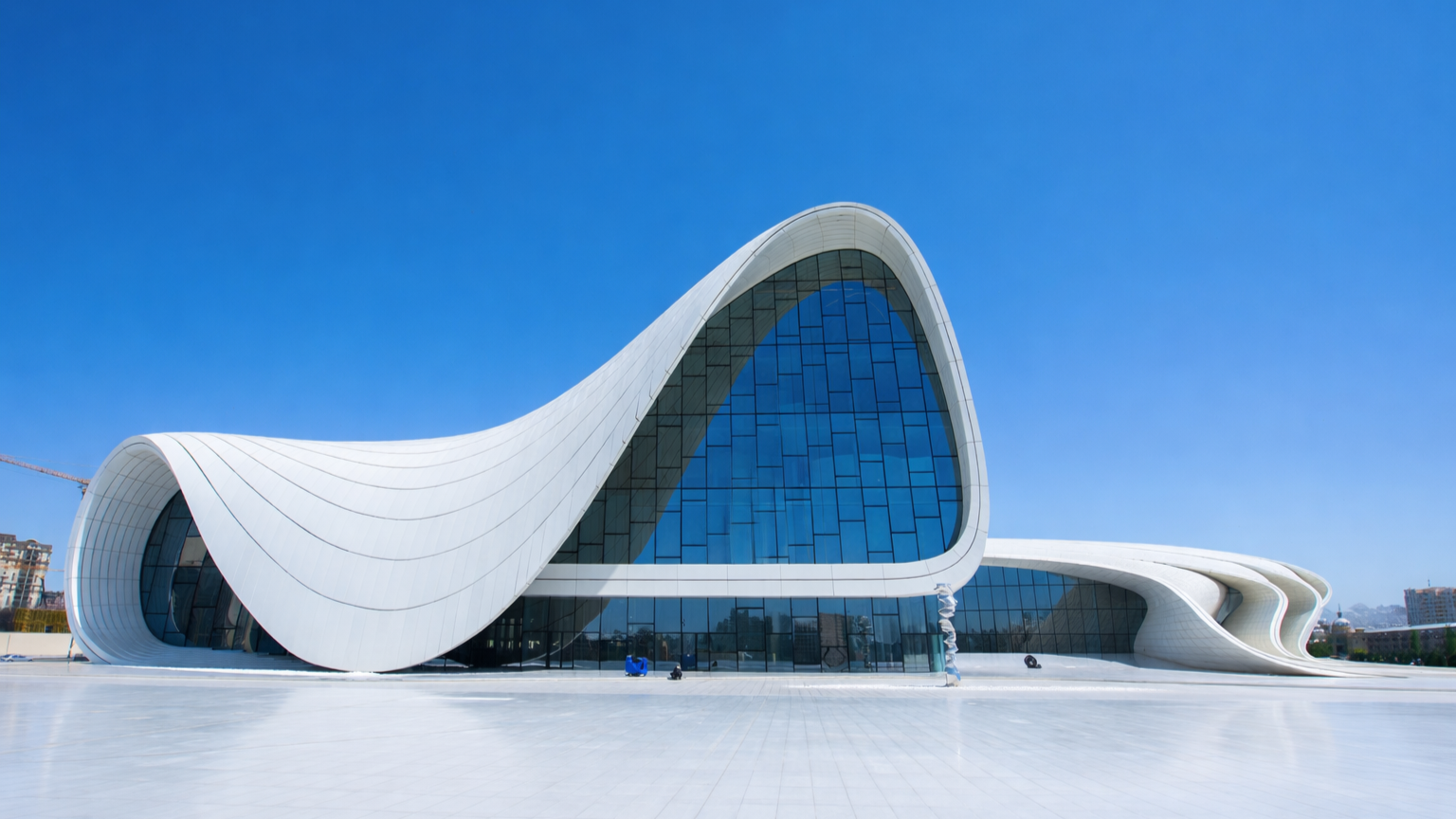
The Heydar Aliyev Center, located in Baku, Azerbaijan, was designed by Iraqi-British architect Zaha Hadid and completed in 2012. The building is known for its fluid and continuous architectural form that appears to rise smoothly from the surrounding landscape. Instead of using traditional straight lines and rigid geometry, the design features sweeping curves that flow seamlessly across the roof and walls. The building functions as a major cultural centre that includes exhibition spaces, conference halls, and an auditorium. Named after former Azerbaijani president Heydar Aliyev, the centre represents the country’s cultural modernization and has become one of the most iconic examples of contemporary architecture.
Also Read: Embracing Imperfection: A Simple Way to Refresh Your Home
Louvre-Lens Museum
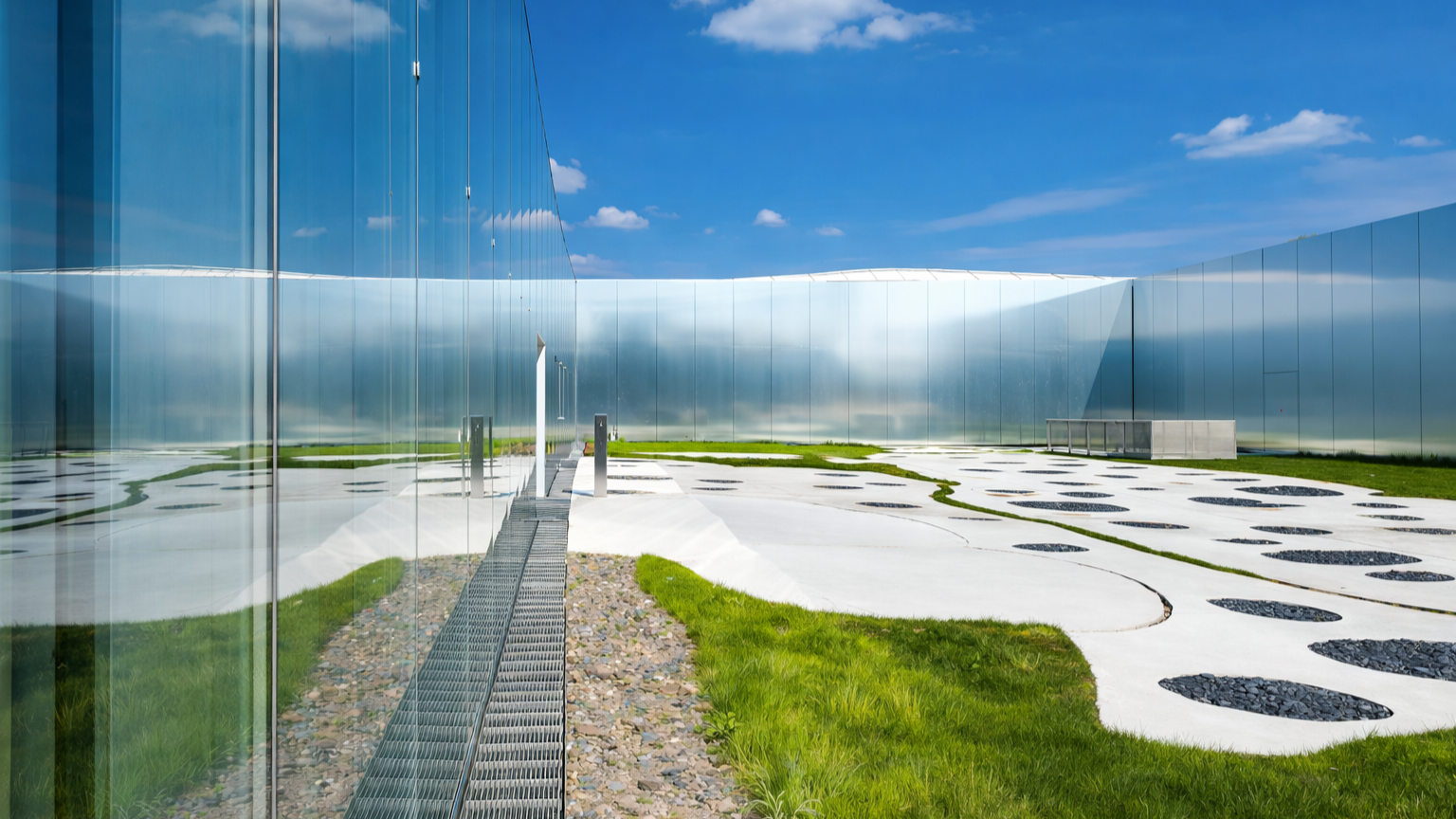
The Louvre-Lens Museum is located in Lens, France, and was designed by Japanese architect Kazuyo Sejima together with the architectural firm SANAA. The museum opened in 2012 as a satellite branch of the famous Louvre Museum in Paris. The building consists of several low-lying pavilions covered with reflective aluminum panels. These reflective surfaces mirror the surrounding park landscape and allow the structure to blend naturally into its environment. The museum was built on the site of a former coal-mining area and played a major role in revitalizing the region by bringing cultural tourism and new economic activity.
Pacific Design Center
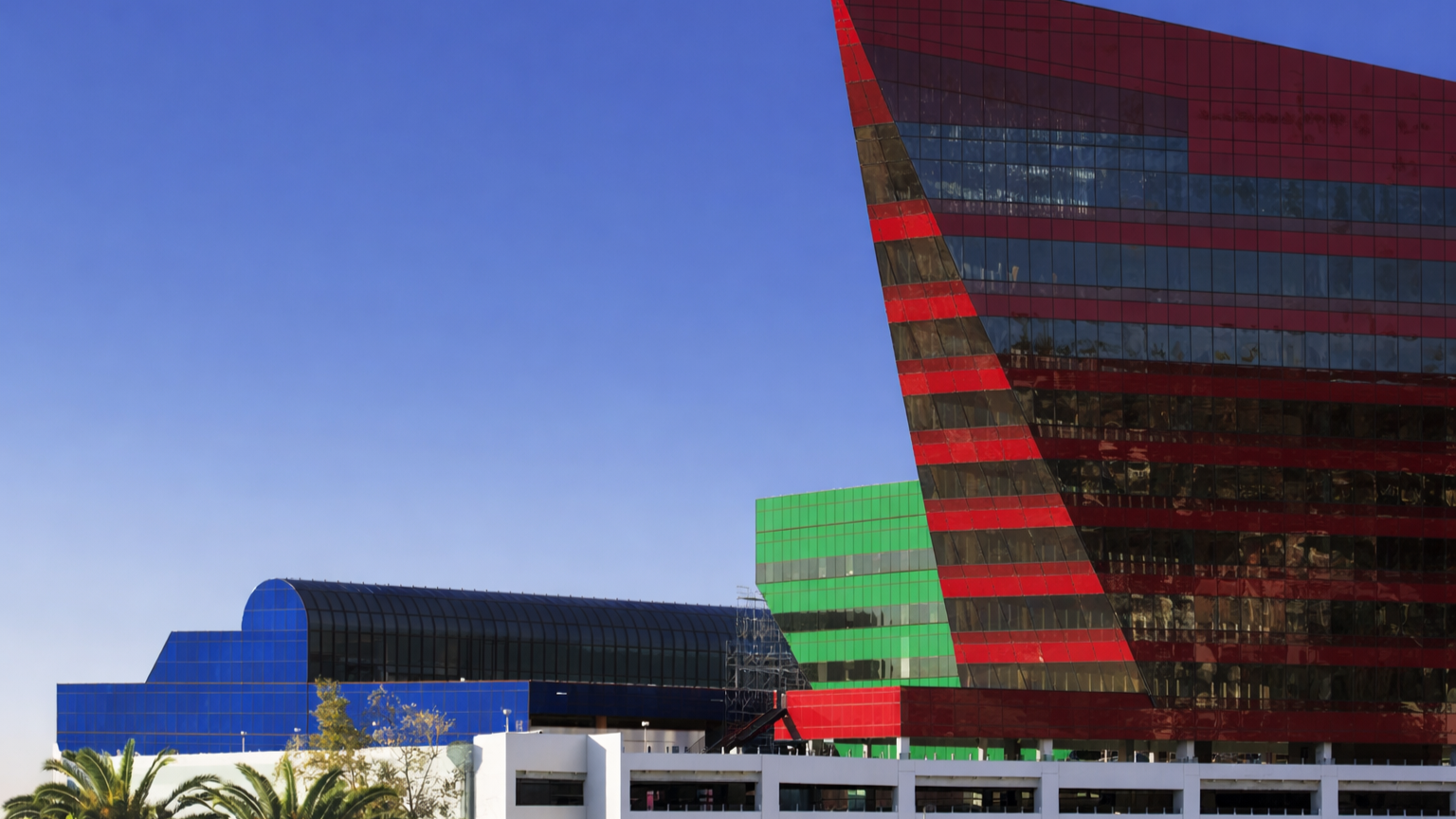
The Pacific Design Center, located in West Hollywood, Los Angeles, United States, is a large complex dedicated to design showrooms and creative industries. The first building in the complex, commonly known as the Blue Building, was completed in 1975. Although the project was designed by architect Cesar Pelli, Norma Merrick Sklarek served as the project architect responsible for supervising the technical design and construction. Sklarek was one of the first African-American women to gain prominence in architecture, and her role in this project was a significant achievement at a time when few women held leadership positions in the profession.
Villa E-1027
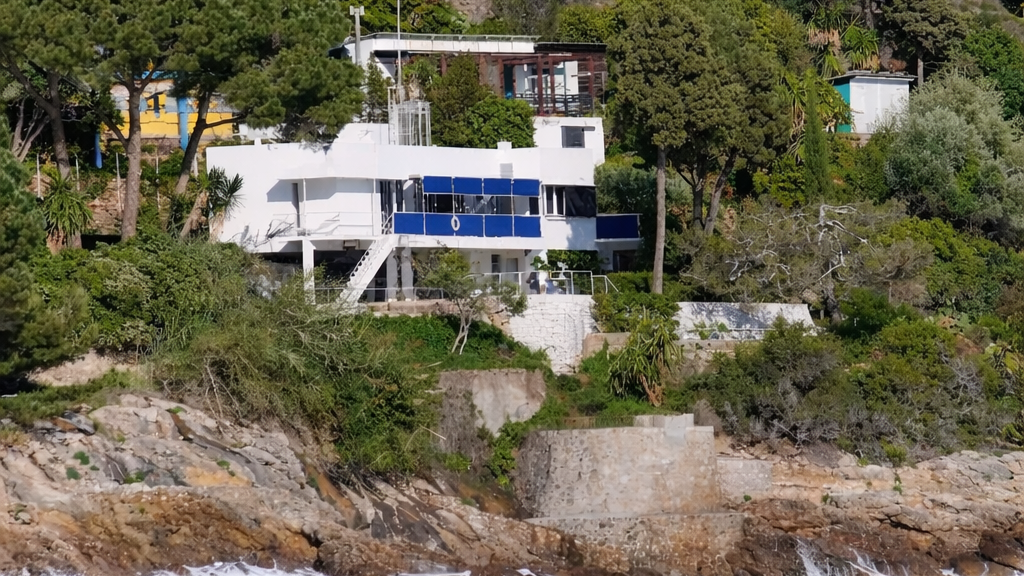
Villa E-1027 is a modernist seaside house located in Roquebrune-Cap-Martin on the Mediterranean coast of France. The villa was designed by Irish architect and designer Eileen Gray and completed in 1929. The name “E-1027” is a code representing the initials of Gray and her collaborator Jean Badovici. The house was designed as a functional living environment in which architecture, furniture, and interior design are integrated into a unified system. The villa features large windows overlooking the sea, adjustable furniture, and carefully planned interior spaces that maximize natural light and ventilation.
Aqua Tower
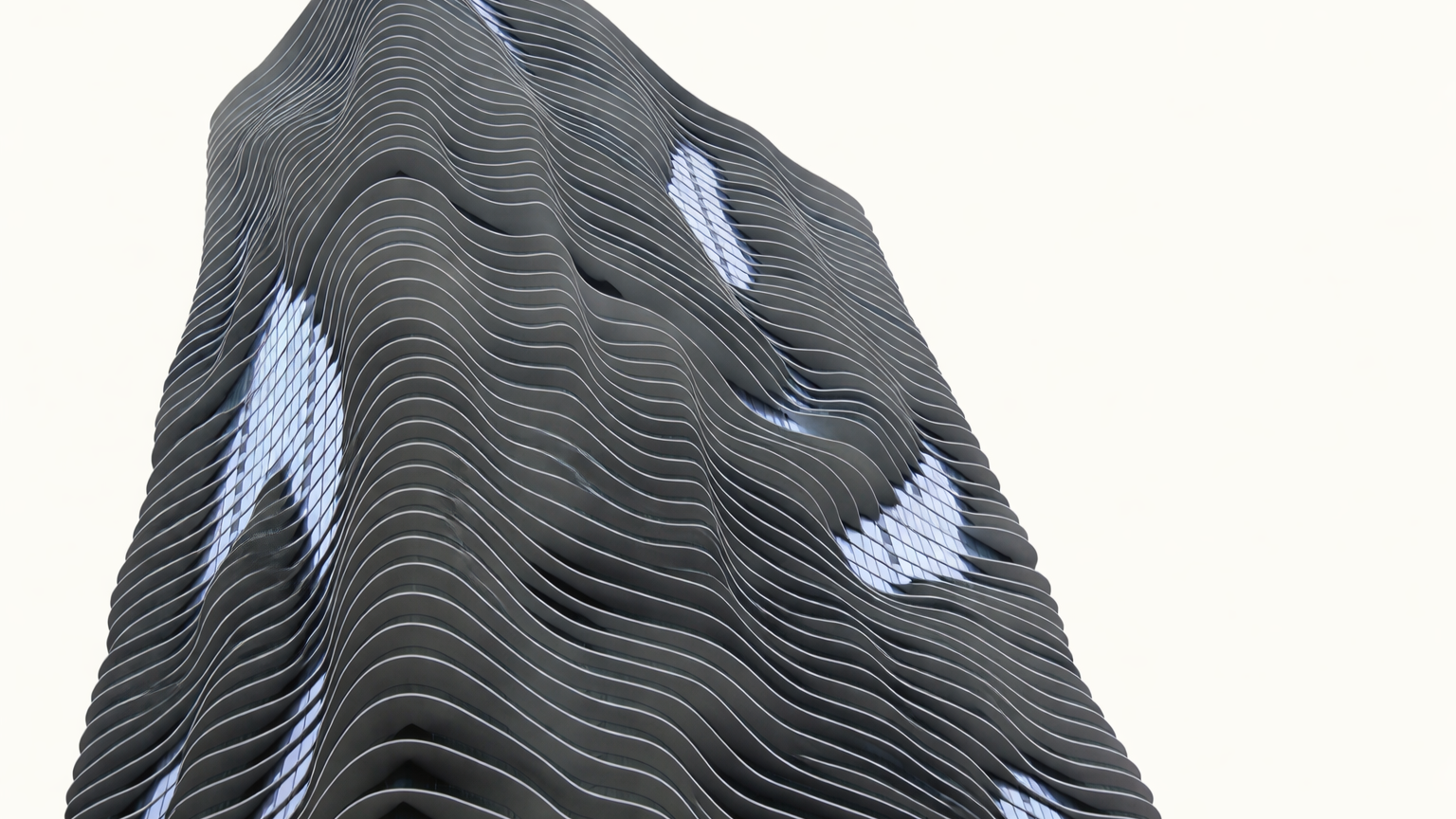
The Aqua Tower, located in Chicago, United States, was designed by architect Jeanne Gang and completed in 2009. The skyscraper rises 84 stories and is one of the most recognizable buildings in Chicago’s skyline. The tower is known for its distinctive balconies that extend outward in irregular shapes and lengths, creating a rippling, wave-like appearance across the façade. These balconies not only give the building its unique aesthetic character but also provide shading and help reduce wind forces acting on the structure. The building includes residential apartments, hotel rooms, offices, and retail spaces.
MAAT – Museum of Art, Architecture and Technology
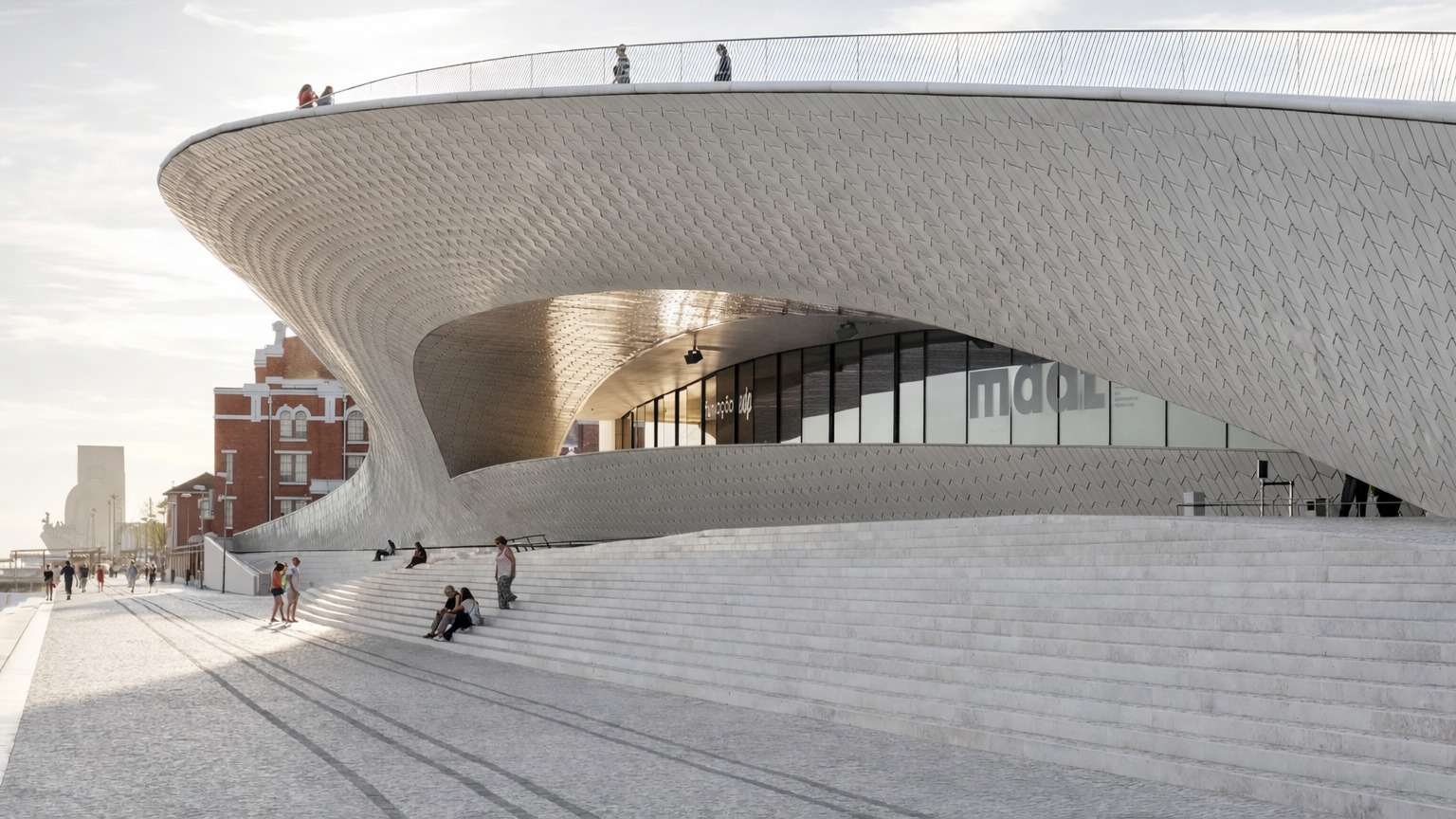
The Museum of Art, Architecture and Technology (MAAT) in Lisbon, Portugal, was designed by British architect Amanda Levete and opened in 2016. The museum is located along the banks of the Tagus River and features a sweeping curved roof covered with thousands of ceramic tiles. These tiles reflect sunlight and the surrounding water, creating changing visual effects throughout the day. Visitors can walk across the roof, which serves as a public viewing platform and gathering space. Inside the building, exhibitions explore the connections between art, architecture, and technological innovation.
Museum of Contemporary Art Cleveland
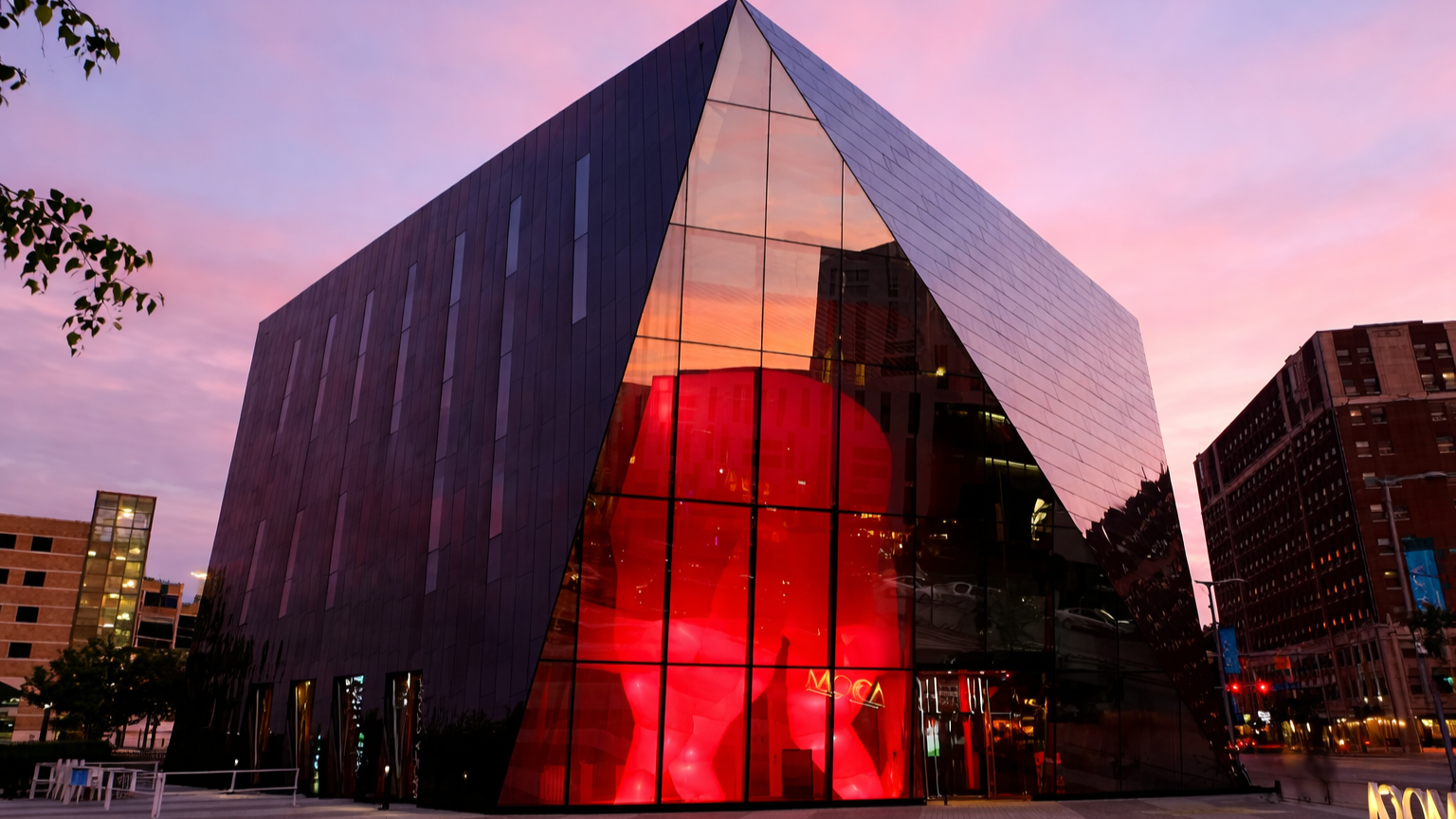
The Museum of Contemporary Art Cleveland (MOCA) in Cleveland, United States, was designed by Iranian-British architect Farshid Moussavi and opened in 2012. The building features a striking geometric form with a faceted exterior clad in reflective stainless-steel panels. The reflective surfaces change appearance depending on the viewer’s perspective and the angle of sunlight. Inside the museum, gallery spaces gradually expand as visitors move upward through the building, creating a dynamic spatial experience.
La Lira Theatre Public Space
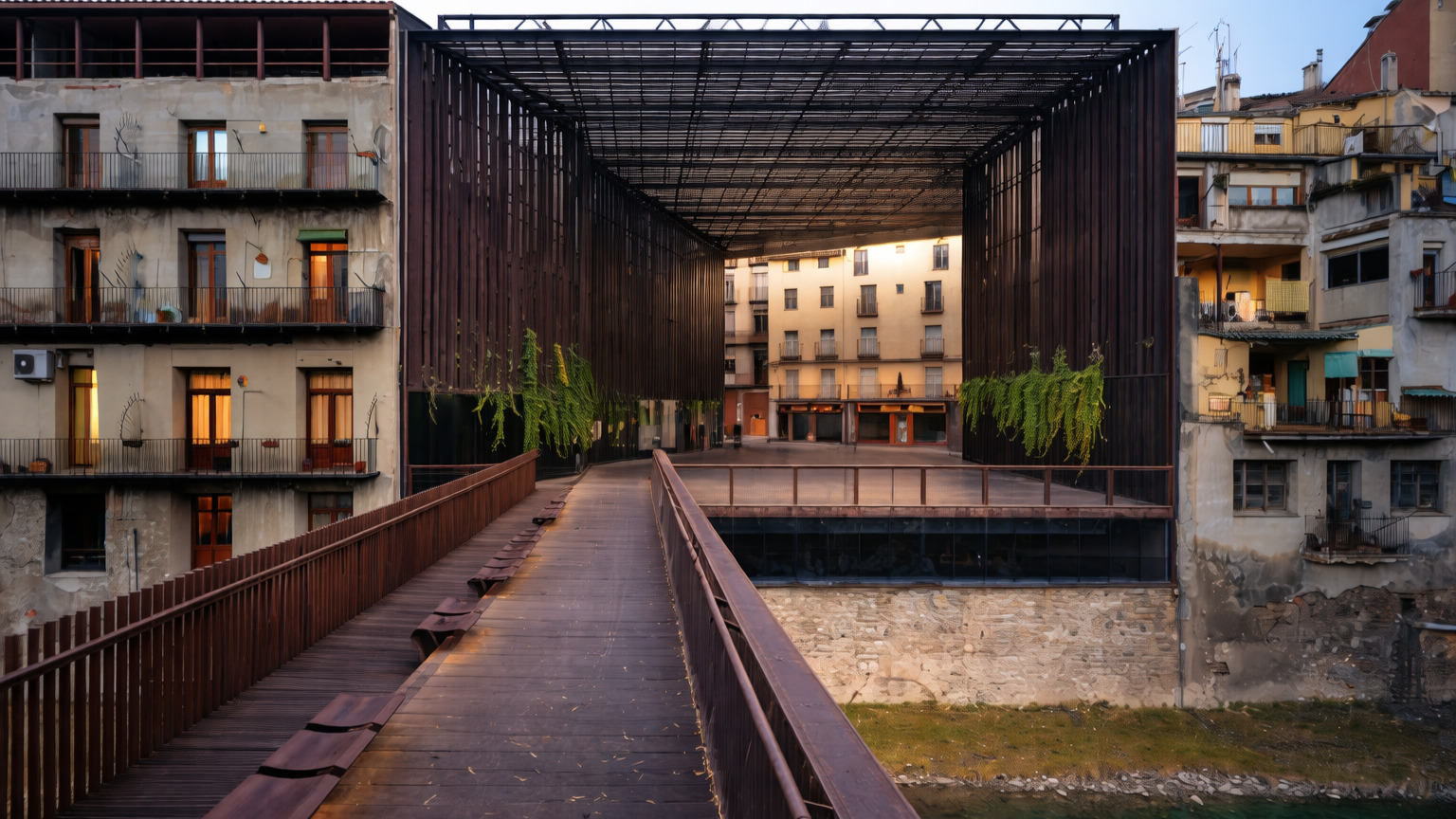
The La Lira Theatre Public Space in Ripoll, Spain, was designed by Carme Pigem and her partners at RCR Arquitectes, and it was completed in 2011. The project combines a pedestrian bridge with an open-air theatre overlooking a river. The steel structure functions both as infrastructure and as a cultural space where performances and community events can take place. The design transforms an ordinary bridge crossing into a vibrant public gathering place.
The Woman’s Building
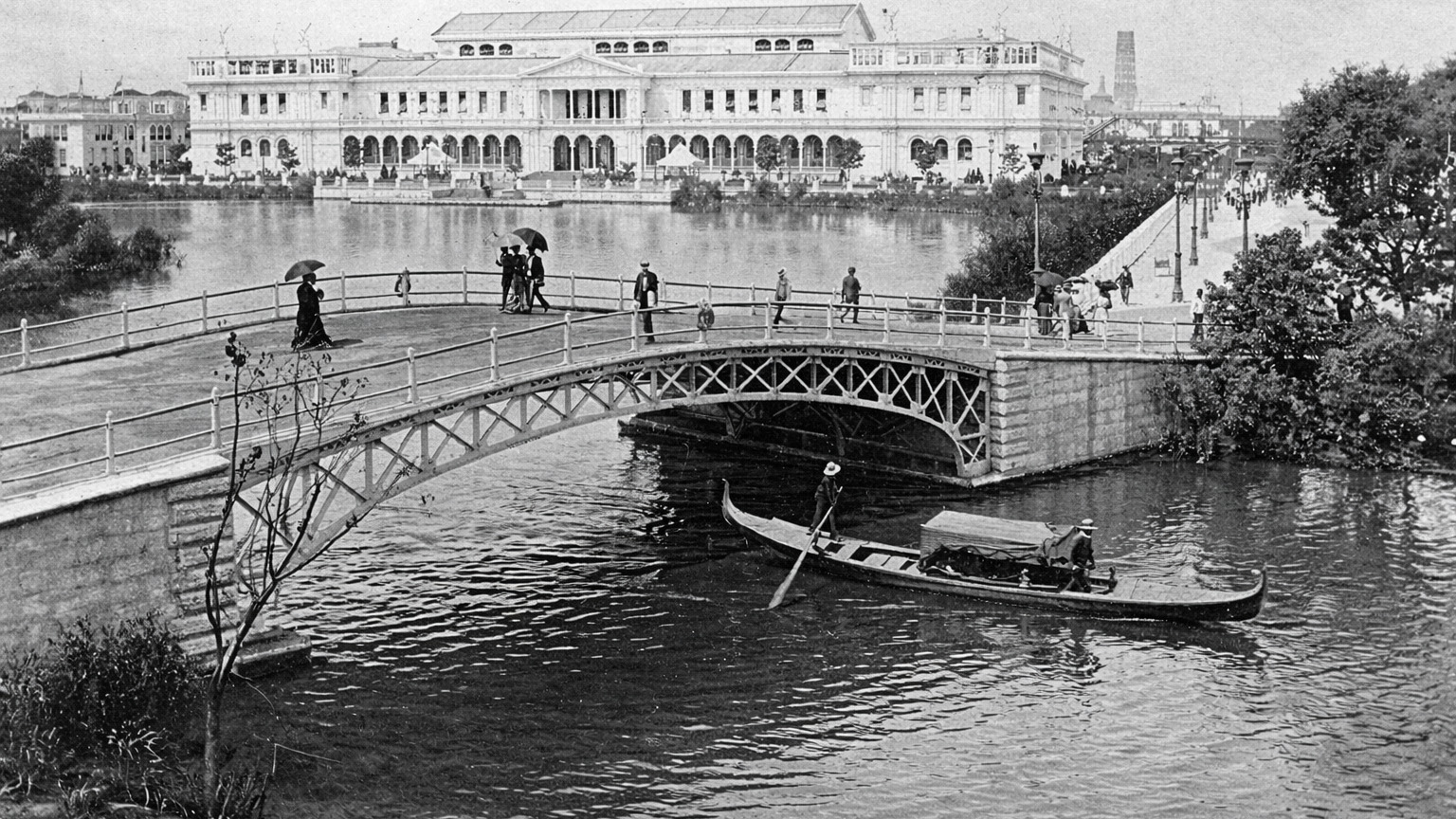
The Woman’s Building was constructed for the World’s Columbian Exposition held in Chicago in 1893. The building was designed by Sophia Hayden, who was only 21 years old and the first woman to graduate from the Massachusetts Institute of Technology’s architecture program. The building was created to showcase the achievements of women in art, science, literature, and education. Despite the success of the project, Hayden faced criticism and pressure during the construction process and eventually left the architectural profession.
MACRO Museum Extension
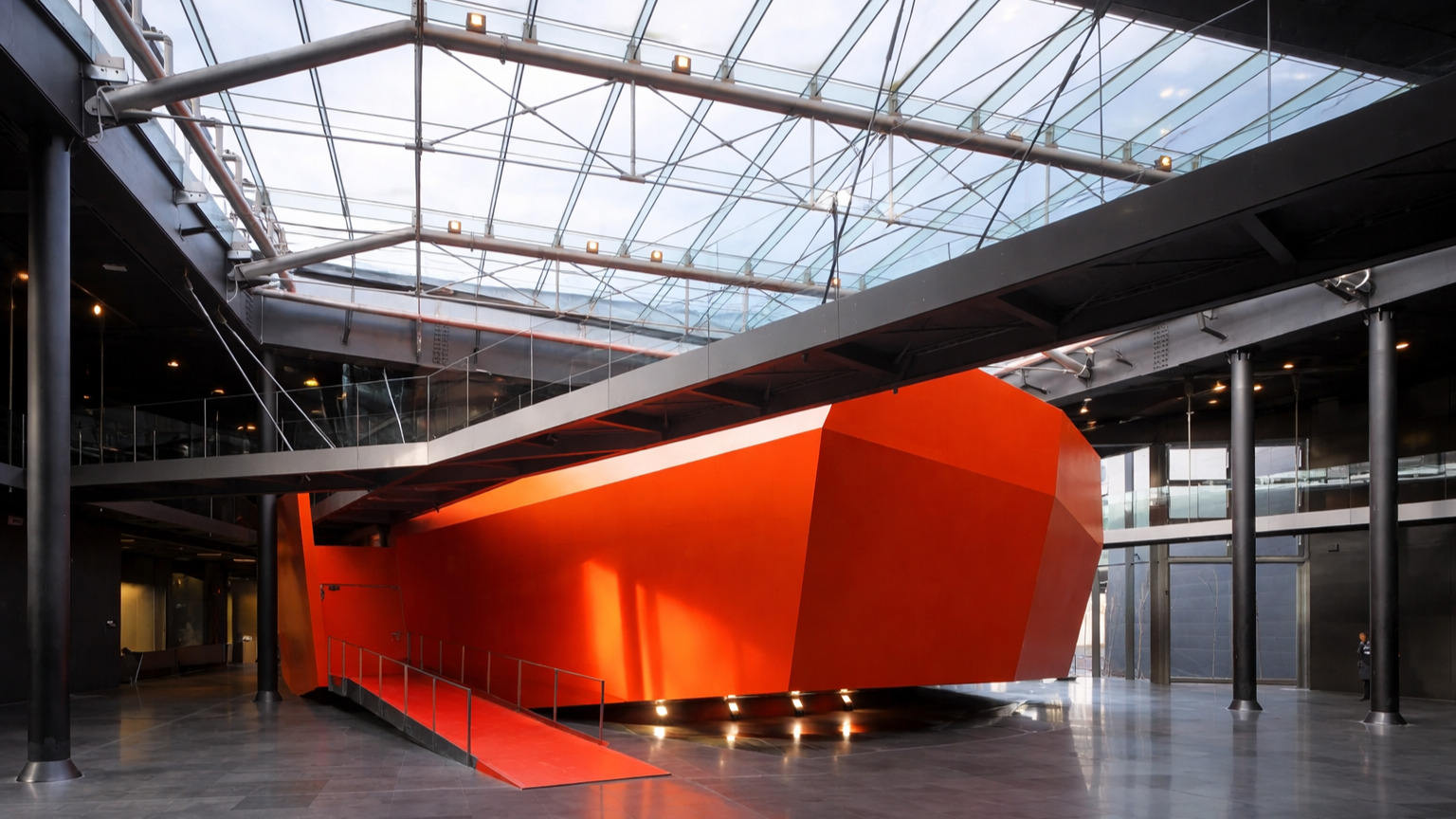
The extension of the MACRO Museum of Contemporary Art in Rome, Italy, was designed by French architect Odile Decq and completed in 2010. The project introduced dramatic architectural elements such as suspended walkways, large open exhibition spaces, and bold structural forms. The design uses strong colours, particularly red and black, to create a striking and energetic atmosphere that enhances the display of contemporary art.
Waterloo Bridge
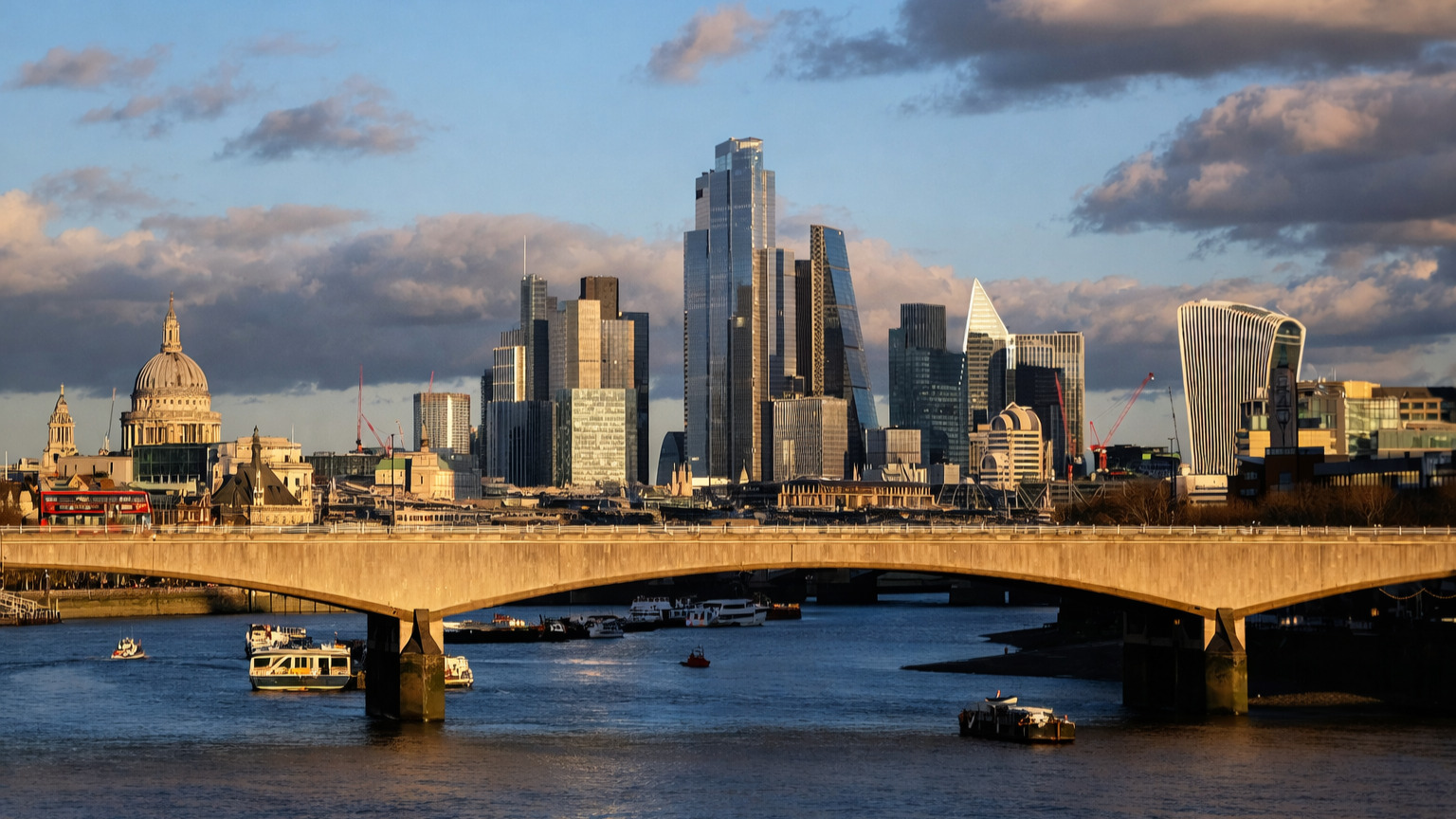
Waterloo Bridge in London, United Kingdom, was completed in 1945 during the final years of the Second World War. The bridge is often referred to as “The Ladies’ Bridge” because many of the workers who constructed it were women who replaced male laborers serving in the war. The bridge spans the River Thames and connects several important districts in central London. It remains a symbol of the important contributions women made to infrastructure projects during wartime.
Sao Paulo Museum of Art – MASP
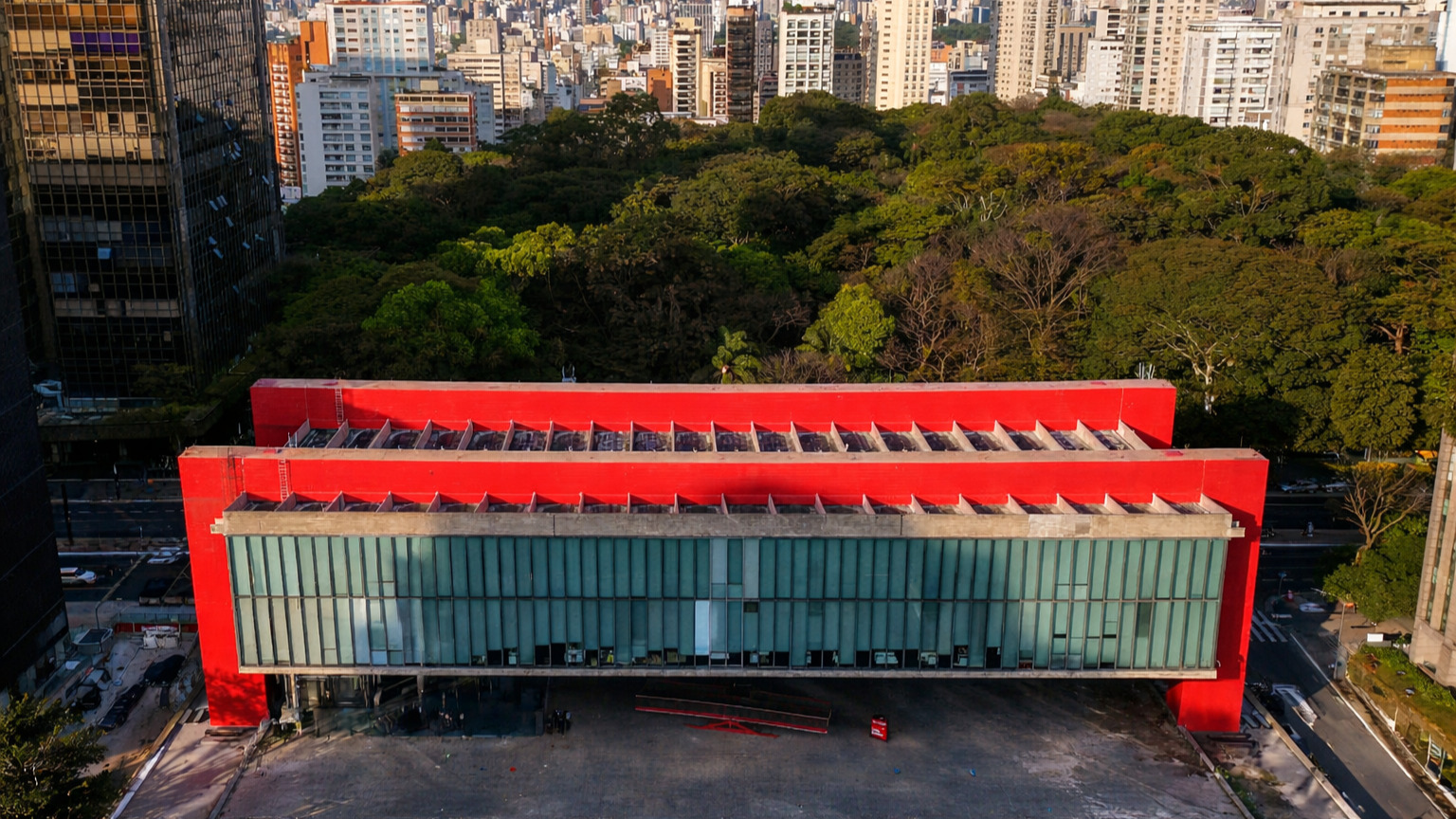
The Sao Paulo Museum of Art (MASP) in Sao Paulo, Brazil, was designed by Italian-Brazilian architect Lina Bo Bardi and opened in 1968. The museum is known for its bold architectural design, in which the main building is suspended between two large red concrete beams. This design creates a large open public plaza beneath the museum that can be used for markets, cultural events, and public gatherings.
Also Read: 9 Timeless Micro-Architecture Moments That Last Beyond Trends
Bocconi University Building
The Bocconi University building in Milan, Italy, was designed by Yvonne Farrell and the architectural firm Grafton Architects and opened in 2008. The building appears solid and monumental from the outside, resembling a massive stone structure. Inside, however, the design includes open courtyards, terraces, and circulation spaces that encourage interaction and collaboration among students and faculty.
The Shed
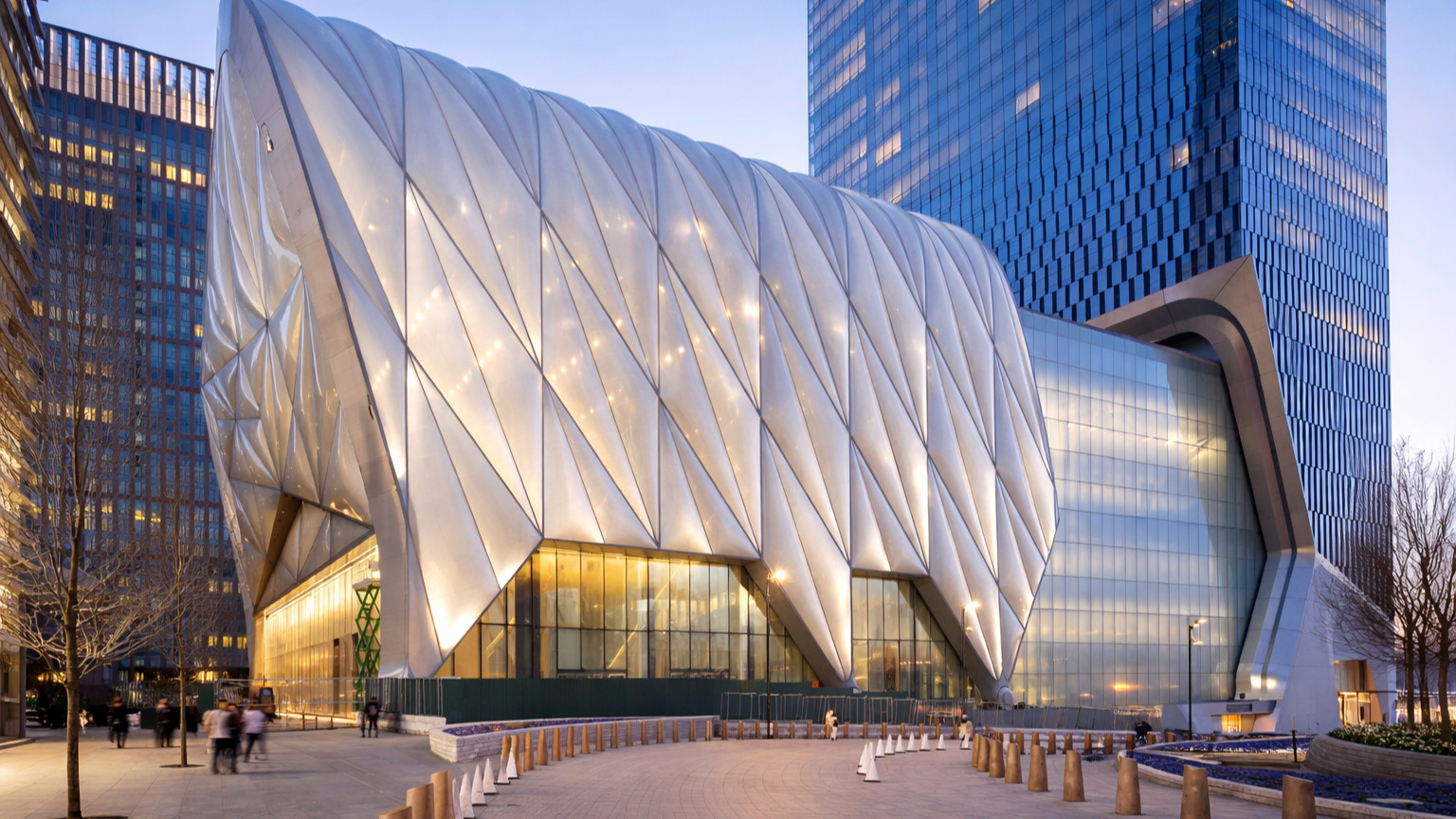
The Shed, located in the Hudson Yards development in New York City, United States, was designed by architect Elizabeth Diller and completed in 2019. The building functions as a flexible cultural centre capable of hosting concerts, exhibitions, theatre performances, and large public events. Its most distinctive feature is a massive movable outer shell that slides along rails to expand or reduce the size of the performance space.
Bee’ah Headquarters
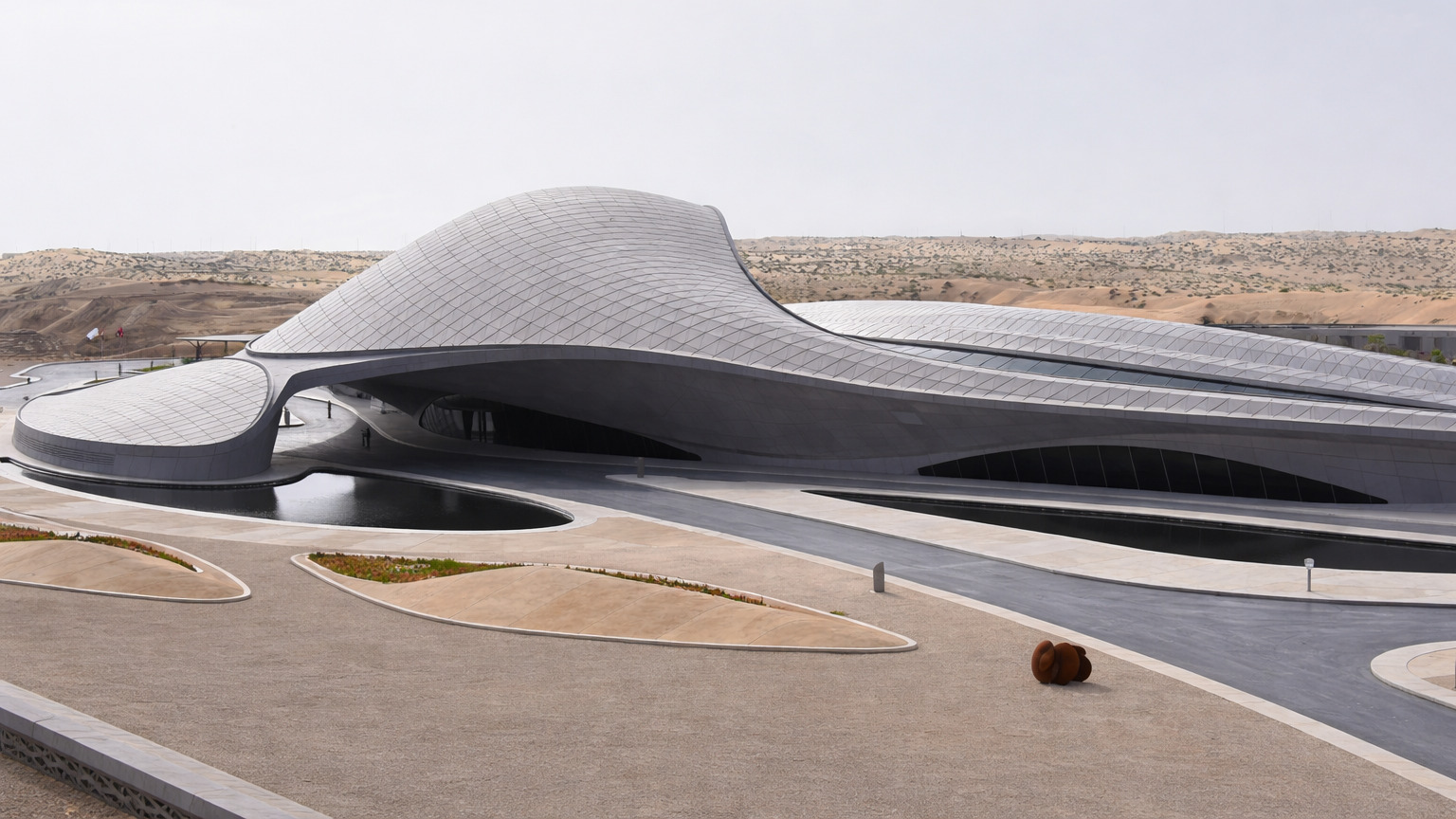
The Bee’ah Headquarters in Sharjah, United Arab Emirates, was designed by Zaha Hadid Architects and completed in 2022. The building’s form resembles two sand dunes shaped by desert winds. The design incorporates renewable energy systems, solar power, and advanced environmental technologies, allowing the building to operate with net-zero carbon emissions.
The Opus
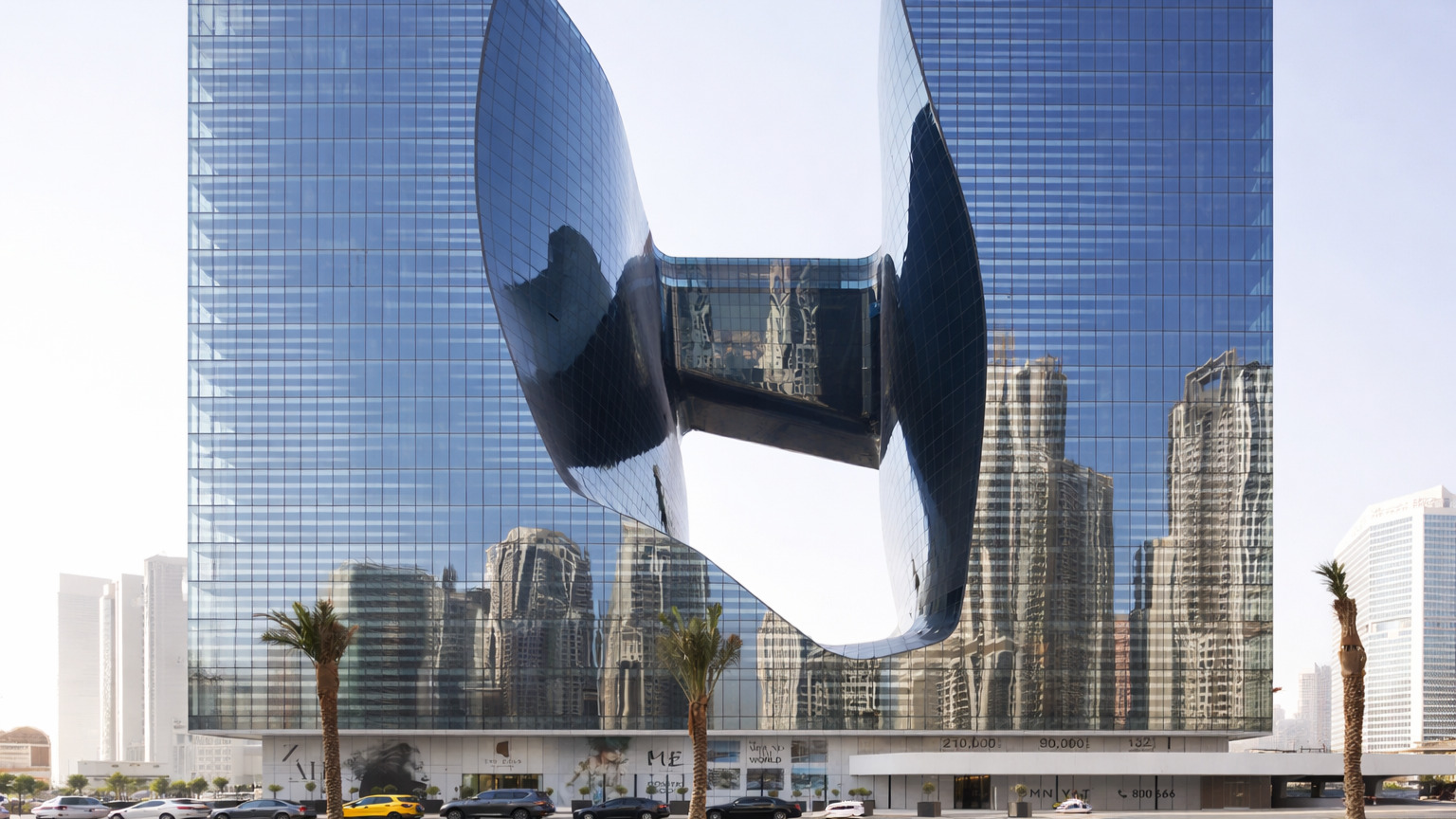
The Opus, located in Dubai, United Arab Emirates, was designed by Zaha Hadid and completed in 2020. The building appears as a large glass cube with a curved void carved through its centre. The dramatic opening in the structure creates a striking visual effect and distinguishes the building from surrounding skyscrapers. The structure houses offices, restaurants, and the ME Dubai Hotel, with interiors also designed by Hadid’s studio.
Mleiha Archaeological Centre
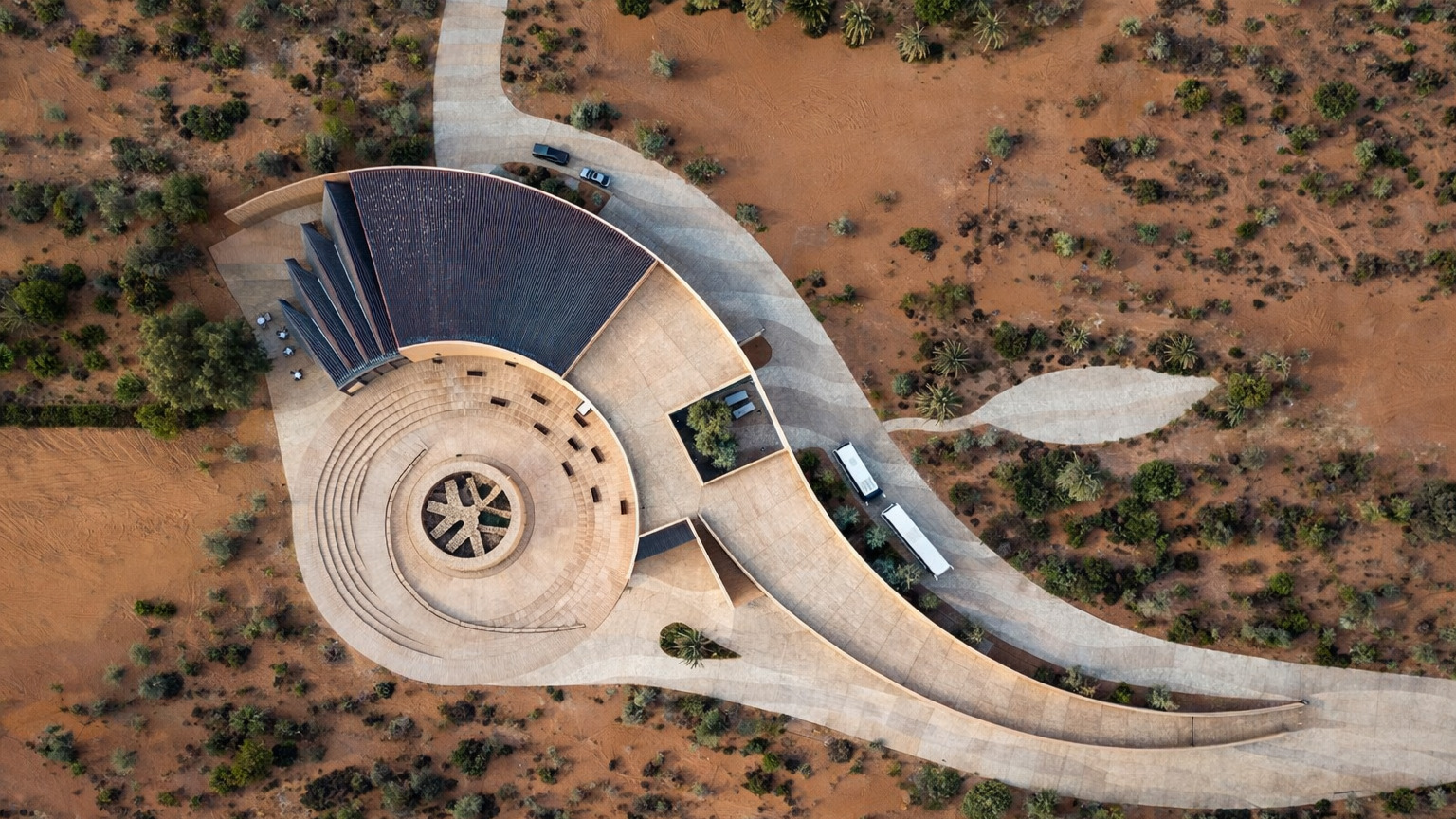
The Mleiha Archaeological Centre in Sharjah, United Arab Emirates, was designed by Saudi architect Sumaya Dabbagh and opened in 2016. The building is located in a desert landscape and is designed to blend naturally with the surrounding terrain. Its low-lying structure appears embedded within the sand dunes. The centre serves as a visitor facility where people can learn about the archaeological discoveries and ancient history of the region.
Pearling Path Visitor and Experience Center
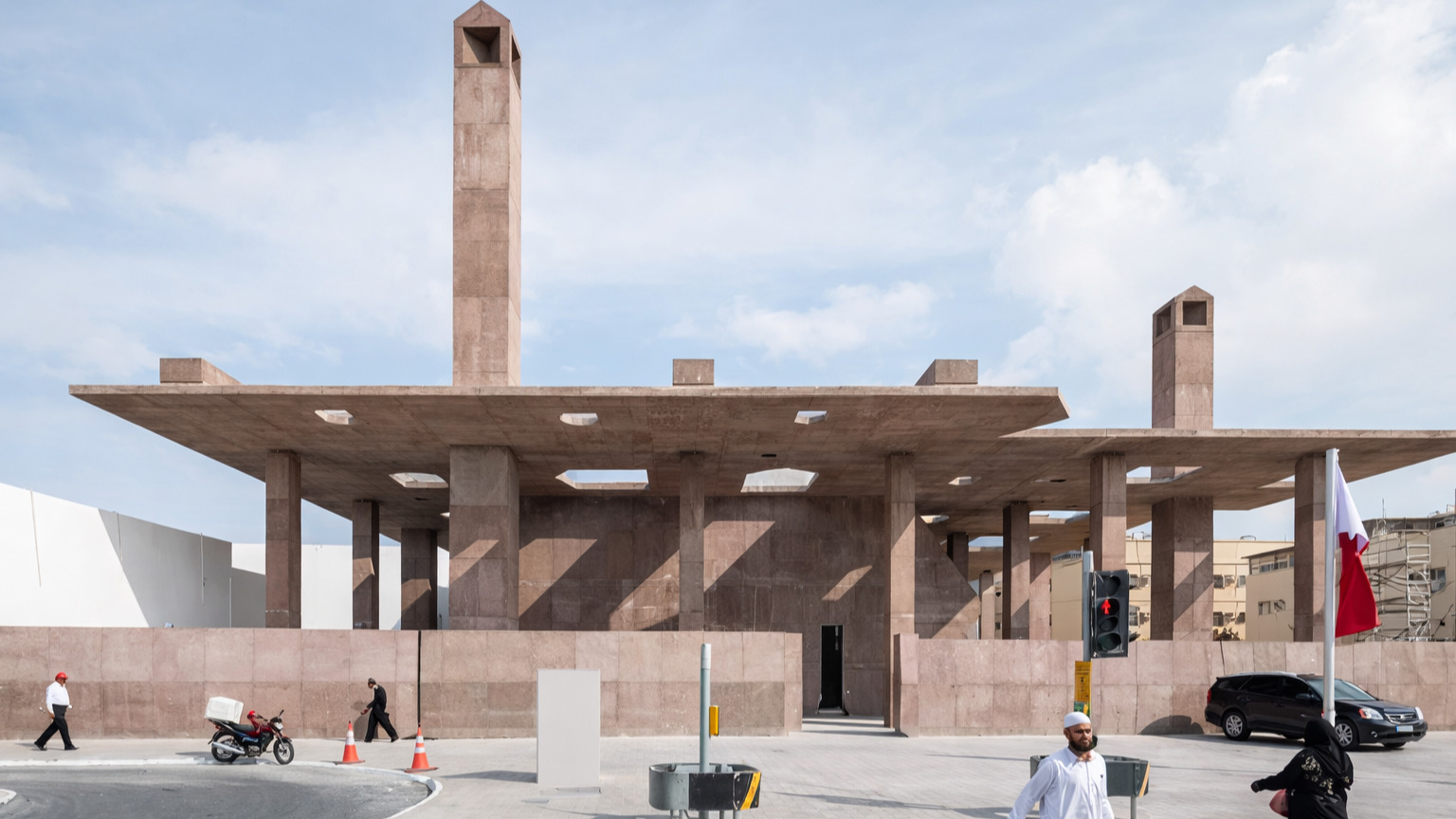
The Pearling Path Visitor and Experience Center in Muharraq, Bahrain, was designed by Bahraini architect Noura Al Sayeh Holtrop and completed in 2023. The project forms part of the UNESCO-listed Pearling Path heritage site, which preserves the history of Bahrain’s traditional pearling industry. The building combines traditional Bahraini architectural elements with modern exhibition spaces and helps connect visitors with the cultural heritage of the historic district.
Comments (0)
Log in to share your thoughts
No comments yet
Be the first to share your thoughts!